بیش از 10 سال به شرکت ها کمک می کنیم تا به اهداف مالی و تجاری خود برسند. مکس بیز یک آژانس مشاوره ارزش محور است.

گالری

اطلاعات تماس

051-12345678

ایران، خراسان رضوی

maxbizz@mail.com

Rubber ball

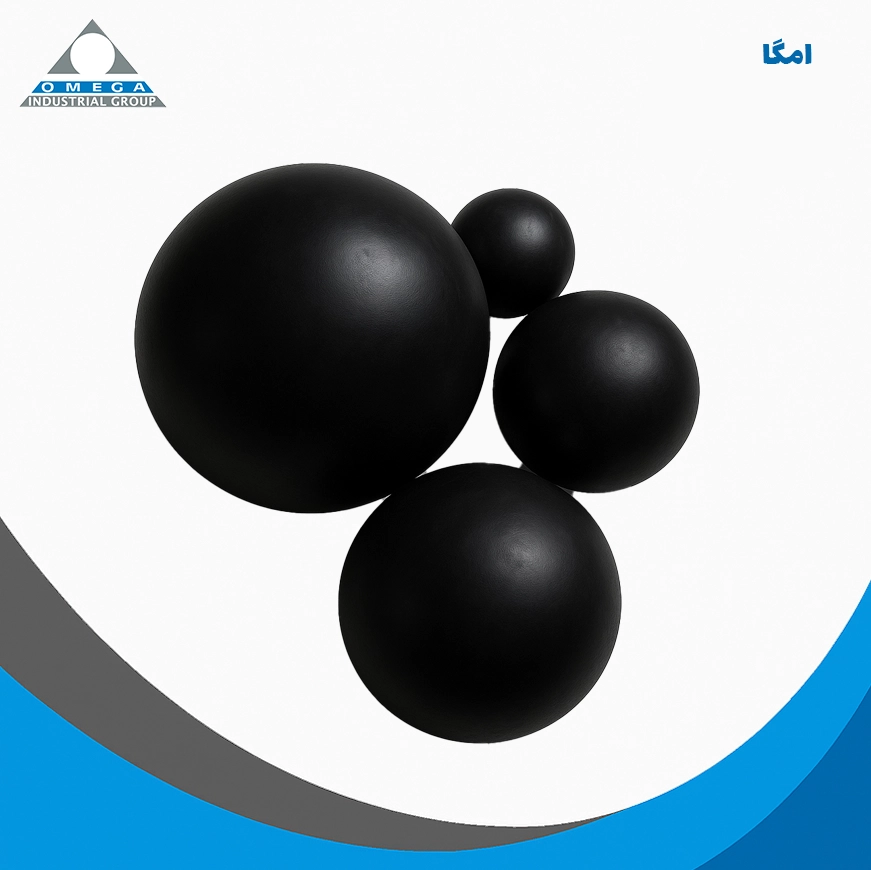
Rubber balls play a vital role in the sealing process in various industries. These parts must be subjected to rigorous testing in terms of weight, density, material, and accuracy of sphericity.

Rubber balls in air pumps and various types of valves are responsible for controlling and opening and closing the flow of air or fluid. The spherical design of these balls allows for maximum movement and the highest level of sealing reliability with minimal energy.

These balls are produced in two types: metal-filled (containing a lead or cast iron core) and all-rubber. Metal-filled balls are used in some applications due to their higher weight, while the all-rubber type is lighter and performs better in certain conditions.

گوی لاستیکی

All about rubber balls: different uses and materials

Rubber balls, due to their spherical design, provide maximum movement and the highest level of sealing with minimal energy. These parts play a key role in diaphragm pumps, safety valves and valves in controlling flow and preventing fluid leakage. They are also used in various industries to prevent liquids and derivatives from entering pipes and tanks.

Due to the diverse applications, rubber balls are produced from different materials, each with unique characteristics:

✔ Oil-resistant rubber ball (NBR) – resistant to oils and petroleum solvents
✔ Acid-resistant rubber ball (EPDM) – resistant to chemicals and acids
✔ Wear-resistant rubber ball (NR-SBR) – suitable for high-friction environments
✔ Silicone rubber ball (Silicon) – resistant to high temperatures and sterile environments
✔ Viton rubber ball (FKM) – resistant to heat and strong chemicals
✔ Rubber ball (PTFE) – with high chemical and thermal resistance

This variety in materials allows the use of rubber balls in various industrial conditions.